Game World Setting


Game settings can be found within every game which can be adjusted according to the player’s personal preference on how to play the game. Developers create games dependent on the games plot and expand on that. They look at different aspect of the games such as, physical settings, temporal settings, emotional settings and ethical settings of the game.

When creating the physical settings of the game, the developers make the game world suitable to the games storyline by deciding where it will be placed and how the character will interact and adapt to that setting. For instance, football game in a basketball court will be considered as irrelevant. This will be made to make the gamer more immersed in the video game and look forward to carry on playing later on.

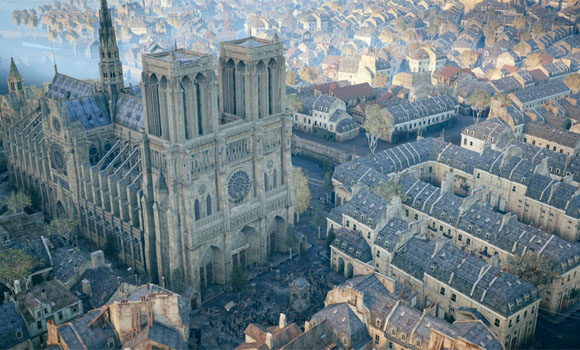
The temporal setting of the game will be taken into consideration during the creation of the game, as the time period of the game is crucial part of the game on making it more chronologically accurate as it will give the game realism and depth. For example, Assassins Creed: Unity, was based on the French revolution so the era of the game should be set in the late 18th century otherwise it will make no sense which could make the gamer stop playing.

The environmental setting is the condition the character the game is playing in, which usually affects the weather the game is playing in at the very moment. For instance, in Need for Speed, the weather can alter depending on where the character (Car) is on the map, for example driving in the desert the weather is usually hot in the day whereas during the night it is humid and cold. This feature is included in games to give games more realism and natural feel, games such as FIFA play in real time conditions where it if it’s raining the players usually slide along the grass more longer when slide tackling for the ball, which affects the overall gameplay.


The emotional setting of the game affects the characters emotion and body language in the game. This setting is important to include in video games as this feature improves the realism of the game, this can be clearly seen through cut-scenes in games where the main character’s father dies and you will feel you will have to avenge the father through the protagonist of the game, this makes the player more immersed and emotionally attached in the game.


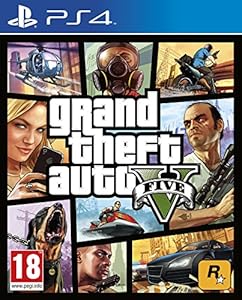
The ethical setting in the game is usually set by how the game is played and what in the game you can do that limits the game into a specific age bracket. For example, in Grand Theft Auto V you are usually encouraged to steal a car from a civilian in the game world or violently shoot enemies within the game. This certain feature makes it inappropriate for children who are under the age of 18, as the content is very explicit for children to be witnessing and may imitate the actions in to real life. This matter is usually resolved by setting a PG rating on the game suitable for a specific target audience.

Difficulty and Balance


Balance in video game terminology refers to the concept of a character or level that is not too overwhelming or too weak/easy that it will make the gamer carry on playing and not complain about the difficulty of the game. 

Gamers with different skills may believe the game may be too easy or hard, so developers have embedded into most games a difficulty setting, which the player can determine the balance of the game which it will be playable for the gamer, thus affecting the gameplay and can be altered throughout the game, if the AI becomes too challenging/easy for the player.  At the start of any game, the difficulty of the gameplay will be quite easy for the player as they are usually introduction to the game on how to play, what different moves and buttons to help you advance in the game, which then gradually increase in difficulty as the game goes on, for example the wave of enemies increase in numbers and become stronger in terms of health and accuracy of attacks, this keeps the gamer immersed in the game making the objective more challenging.

Some examples of difficulty used in video games are FIFA, Call of Duty and Street Fighter. The use of difficulty in FIFA is usually dependent of the skill of the gamer, as they may increase the difficulty to make the AI controlled team more difficult to play against and break down to score and win.


Narrative, FMV and Cutscenes


A Narrative in a video game usually in video format, tell us the story line of the game. Normally found at the start of the game campaign but also can be embedded throughout the campaign. Video game designers use narrative in video games to interest and engage the gamer, as games with story lines that have no thought behind may bore the gamer and not carry on further within the game. An advantage of using narratives within game, give the game a more in-depth look on the game, making it more interesting. Although weaknesses of this is that some narratives within the game take up gaming time which can be a burden on some people as they may have a restricted playing time, or just really eager to go on to the next part of the game. A video game that has a really interesting story line is The Last of Us: Remastered.


A Full-Motion Video (FMV) is a video footage within a game that supplies you with information, usually during or after a mission has been completed. They are usually triggered when a certain objective or action has been made, so they can help you advance further within the game. Some video games use interactive FMV, which requires the gamer to make certain decisions during the cut scene, more modern games use a more detailed animation to enhance the games visual style of the game. An advantage is that it looks really impressive compared to a normal cut scene found within a game a game as they may last for a few seconds, whereas the FMV is a more detailed short video which may last for a few minutes. A weakness is that it may cost quite a bit of time and money for the developers to create as a lot of in-depth detail is required. Also the fact that it may take a few minutes until the game is loaded may also deter the gamers involvement in the game, although developers has combat this by allowing the gamer to skip the FMV if a certain button is pressed.

A Cutscene are non-interactive sequence(s) used by many games to show that advancement of the plot. They are usually found at the beginning of a mission or halfway through the storyline to give a twist and introduce new elements in the game whilst the protagonist is idle. Developers have done this to give depth in the game and making it more interactive even though the character is non-playable for a short while. The use of cut scenes also gives the game a smoother transition giving it a more professional look, although it can be annoying for some users as it limits certain aspects of the game such as a special move may be triggered and can’t be undone until the action is done which can make the user exposed to enemy attacks a good example is Street Fighter where you may trigger a special move that includes a small cut scene within it but the enemy has blocked the move and can go in for an attack as you are left exposed. 

Game World Report

Game World

A video game world is the universe or world the game is set in. The world doesn't necessarily have to be artificial (made up), it can be set in real life settings such as cities in different countries, sport stadiums and arenas, racing tracks and many more. Video games such as Assassins Creed rely on historical settings and architecture as the base of the game, due to the concept of the game is playing as an ancestor of someone set in the modern day. Different game worlds differ from each game as the concept or storyline of the game is set in that certain time and place. It will be irrelevant for sporting games such as FIFA be set somewhere other than a football stadium/pitch as it will not impact the real life feel for the game and making the game obsolete for the people playing, which making the game world right more the important. 

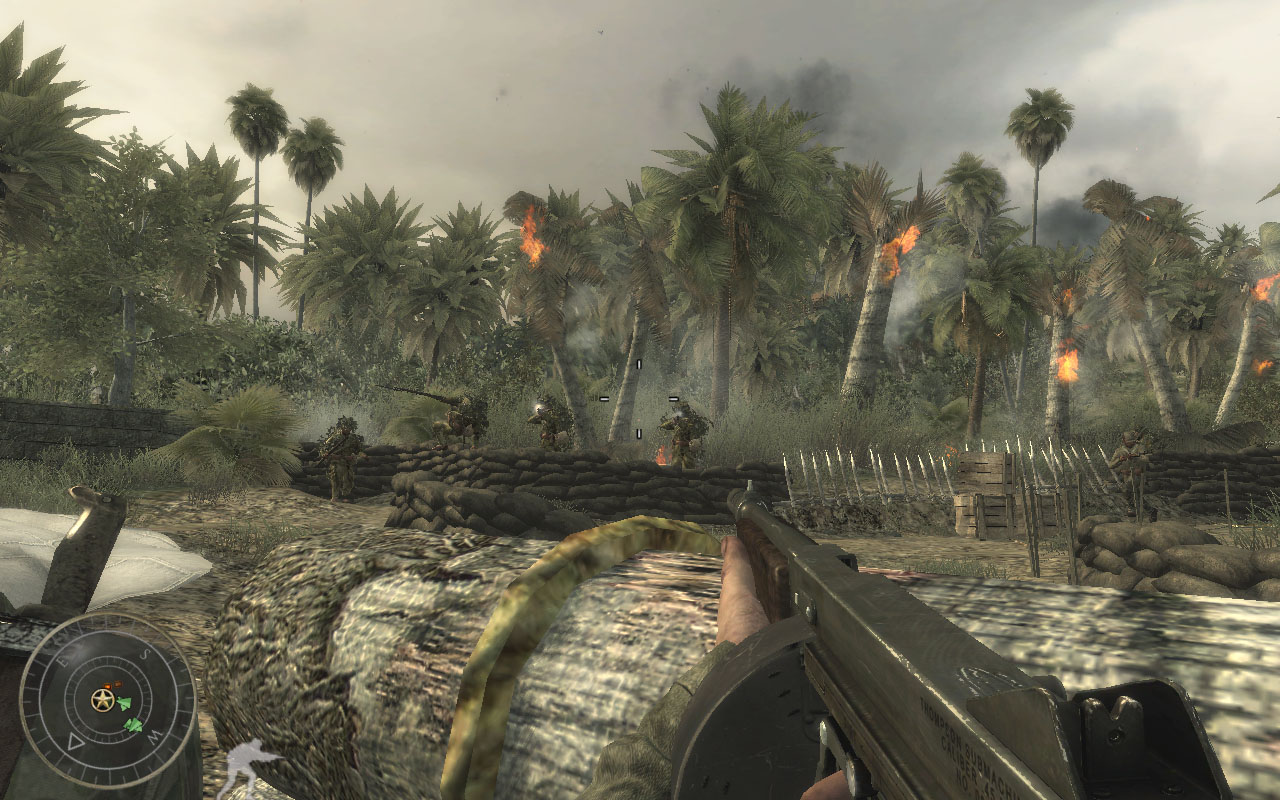
Throughout the years, games have become more developed, with graphics becoming more and more real every day, the obstacles, terrain and architecture of game worlds have increased in number and detail, for instance the difference of Call of Duty: World at War and Call of Duty: Black Ops 3 have a gap of only 5 years but from the images below you can clearly see the difference between the two, with precise graphic improvements which is looking more lifelike. This is true for all modern games now with the next generation of game consoles playing a part.

Terrain

Terrain is the surface of the game world, it is the texture of the game world that is made up of. It can vary from different types of surfaces it consist of sand, concrete, grass, tarmac etc. The terrain doesn't actually play a part on the characters actions or behaviour, it is more of the landscape in the game, and it can be in 2D or 3D depending on the game. The terrain could alter throughout one game whereas other games it stays consistent, Action Adventure games are a popular in altering terrains, whereas sport games usually have the same surface as it may not be relevant if a Football game was played on sand, as it will take the life like feel out of the game.

Architecture


Architecture in video games usually make up the game’s environment and surroundings, with the use of buildings, structures and monuments in the game world. Architecture is a key aspect in games when developing a video game, it acts as the games scenery and a base for characters to move, act and occasionally die. The Assassins Creed series make full use of architecture as it uses Real life historical buildings and monuments in the game and also acts as physical objects which the game character can interact with in the game. 

Game designers also understand that accurate and detailed architecture can make or break a game it’s an integral part on modern day games, it can also increase the sales and popularity of the game. The game world has changed over the years with the surroundings in games have become more realistic. Here is a comparison of a game series that has been developing along the years.

Objects


Objects inside a video game are usually interactive with the character(s) you are using or sometimes with non-characters. They can normally be collected or used to your advantage but they can also be in the background just for display to increase the look of the game. Common objects in video games that can be collected, are some type of currency within the game that helps you purchase equipment and other objects that helps you progress further into the game. Items or objects within a game that can be used usually through picking up are guns or weapons that help you defeat a common enemy without losing too much health. Games that can be associated with the items spoken above are Action Adventure Games such as Grand Theft Auto, due to having a currency that can be increased though a death of a civilian or/and enemy also through completed missions or tasks, with in conjunction of using weapons that are normally purchased with the currency or through picking it up from a downed enemy.


The improvement of objects in different game worlds has helped the game industry a lot, due to the increase of higher quality and more in depth games that include weapons and objects that help the aesthetic of the game and making it more playable and profitable for the gaming industry. Objects that have been used in the past compared to the present have changed dramatically over the years with more attention to detail objects along with other aspects of the game.

Single vs. Multiplayer


Single player video games is when the game is played only by one player against the computer’s AI throughout the course of the game, whereas single player mode is a specific section of the game where it is designed for one player to play the game although in modern video games, other players can play alongside you simultaneously in the single player mode.

During the early stages of video games, single player mode was vastly successful as it was simple for designers to create as it usually focused on having one character to play as. It was also highly influential in the development of video games as it became the core element in the making of video games and further enhanced different modes that can be incorporated in video games such as multiplayer mode.

The most common genres to feature single player modes are; action-adventure games, platform games, first-person shooters and many more. Here is a little clip of some popular single player video games that has sold for millions and popular till this date.

There are quite a few positives and negatives about single player video games, I am going to state a few, such as playing the game without relying on anyone to complete an objective, as sometimes players with a different skill level may hold you back from progressing further in the game. You may feel that completing the “campaign” by yourself feel like a more deserved victory than having a companion to help you out. However, if you get stuck on a certain mission/level and you do not know how to overcome the mission you cannot get help from another player to help you complete the mission, which may make the player stop playing and resent the game overall.

Multiplayer video games consist of more than one player in the same game world which aren’t controlled by AI but rather by other players at the same time. This type of game allows players to work alongside each other to complete a common goal/objective or go against each to compete for the winning spot for instance, Call of Duty multiplayer modes, players are put into two separate teams which is made up of other players then try to defeat the opposing team using the items (weapons, grenades) that are available to them.

There are different types of Multiplayer Games some are; Co-Op and Massive Multiplayer Online (MMO).

Co-Op is a feature in video games that allows players to bring in other players during a single player mission, or play with other players on the same console in a specific game mode i.e. Co-Op or Split Screen. Internet access is usually not needed for this game type.  Games that implement Co-Op mode are Battlefield, Call of Duty and Mario Kart just to name a few. A split screen is normally required when playing in co-op mode as each player can have their view of their character which could restrict the view for each person as they may not be able see the surroundings around them, although they can quickly help each other if one player is overwhelmed by an enemy they can quickly figure out where they are and help them out.


Massive Multiplayer Online (MMO) games usually consists of a large number of players in one game world in different servers.  Final Fantasy, League of Legends and Dungeons and Dragons are some popular examples of Role playing games (RPG) that are in MMO format, these became popular due to the accessibility within the game that allows players to communicate and play together as a community which make gamers become more immersed and make friends with new people. This could be seen as an advantage of MMO type games however, an internet connection is needed to run the games as without an constant internet connection, the player become offline in the middle of an important mission/event and be costly to them i.e. may lose certain credits or seen as an failed mission by default.

Feedback Interface

Feedback Interface is the information provided by the game which allows the player to see their progress during the game. There are two separate types of feedback interface, simple interface is the minor helpful information such as duration left (timer), health remaining, and how many wins. Whereas advanced feedback is the visual effects in a certain move, Power bar and the recent move that has been applied. These are just a few examples.


In every game there will be some type of feedback interface in the game to state what is currently happening or what is needed to advance further on. Above I have used Street Fighter as an example of feedback interface in a video game. The time counter for instance, is a common example in all types of games, which shows how much time you have left to complete task or the game to finish. Another Prime example is the Health Bar, in this case Vitality Gauge is a general interface in most games as it helps the user see and estimate how much life he has left to complete the level or be alive to defeat the opponent. This aspect of the game makes it a vital part of any game.


Video Game Character Report

Characters that are portrayed in video games are usually either the protagonist (main character) the one you control, enemy characters that who usually get in your of achieving your goal and a non-playing/supporting character are usually controlled by artificial intelligence (AI) and you can use to your advantage when in need of help.

The main character or the player characters (group of main characters) are usually playable and help you achieve the intended goal. The main character aren't usually portrayed as real life people they can be objects or physical parts such as racing cars and motorbikes. For example, in the Burnout series you can choose from a range of racing cars and motorbikes for racing or just free roaming. This aspect help make the game more diverse and varied, displaying different game styles.

It’s important for the creator of the game to include detailed game characters as they are crucial part of the game, they can literally make or break the game. Creating a strong main character who usually have an interesting back story or relatable story makes the gamer more immersed in the game, making it successful. Video games normally have more than one main character. Video games offer a group of main characters to choose from as each character or object have different features that are helpful in different game modes and objective. Fighting are normally common in having a large range of player characters, games like Street Fighter, Tekken and even racing games such as Need for Speed.

Non-Playing Characters (NPC) are characters that are not controlled by a player. The actions of the NPC are usually coded the game’s AI or triggered by a certain action or dialogue within the game for the character to appear and interact. They differ from enemy characters as their non-hostile against the protagonist(s) of the game and usually helpful unless provoked for example Pedestrians in Grand Theft Auto. The Boss or Boss battle of the game usually appear at the climax at a particular level of the game, usually at the end. The Bosses are much stronger than the more regular enemies and bigger in size compared to the player’s character. This is to make the game more challenging and dramatic, this is a crucial feature in any game that include enemies and a goal to defeat the Final Boss.